
Professor Ranabir Sammadar talks about the importance of increasing media awareness of the phenomenon of shock mobility.
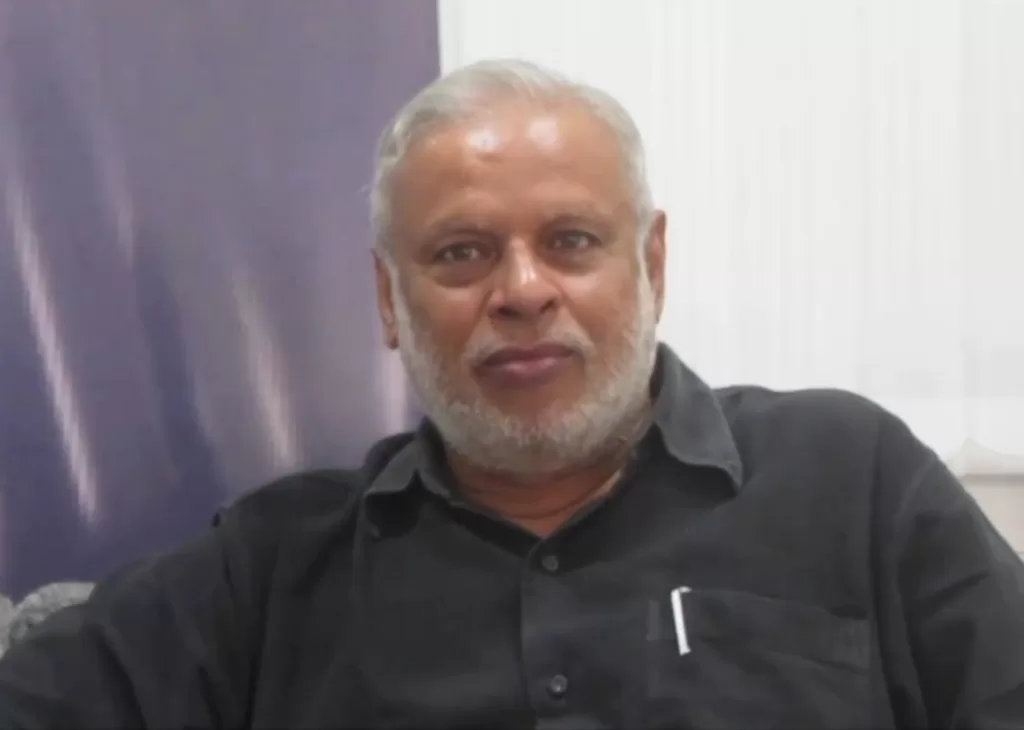 Professor Ranabir Sammadar says we should be talking about shock mobility more. : Rosa-Luxemburg-Stiftung CC BY 3.0
Professor Ranabir Sammadar talks about the importance of increasing media awareness of the phenomenon of shock mobility.
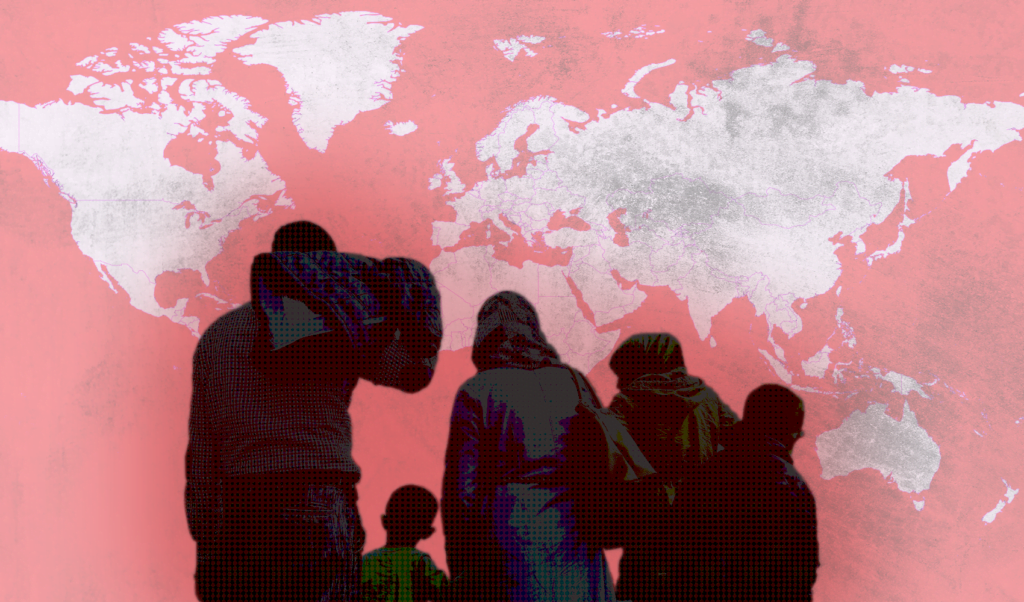
Shock mobility is a term used to describe sudden waves of migration.
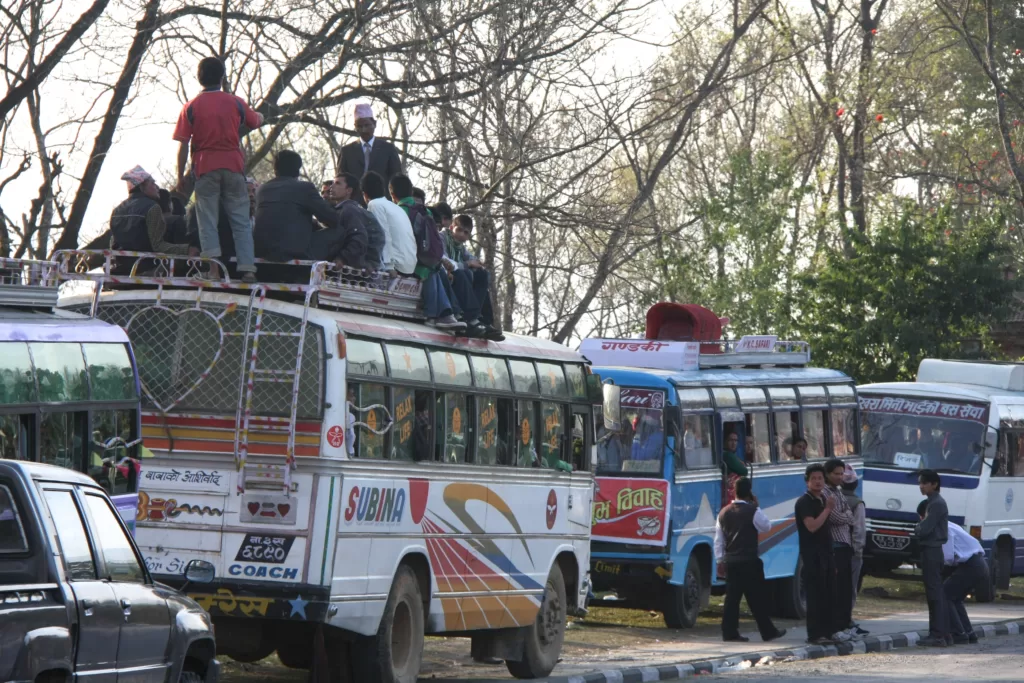
For example, in the wake of an environmental catastrophe, famine, floods or sudden outbreak of violence like the Ukraine conflict or the Syrian war.
Distinguished Chair in Migration and Forced Migration Studies at the Calcutta Research Group, Professor Ranabir Sammadar, says we should be talking about it more.
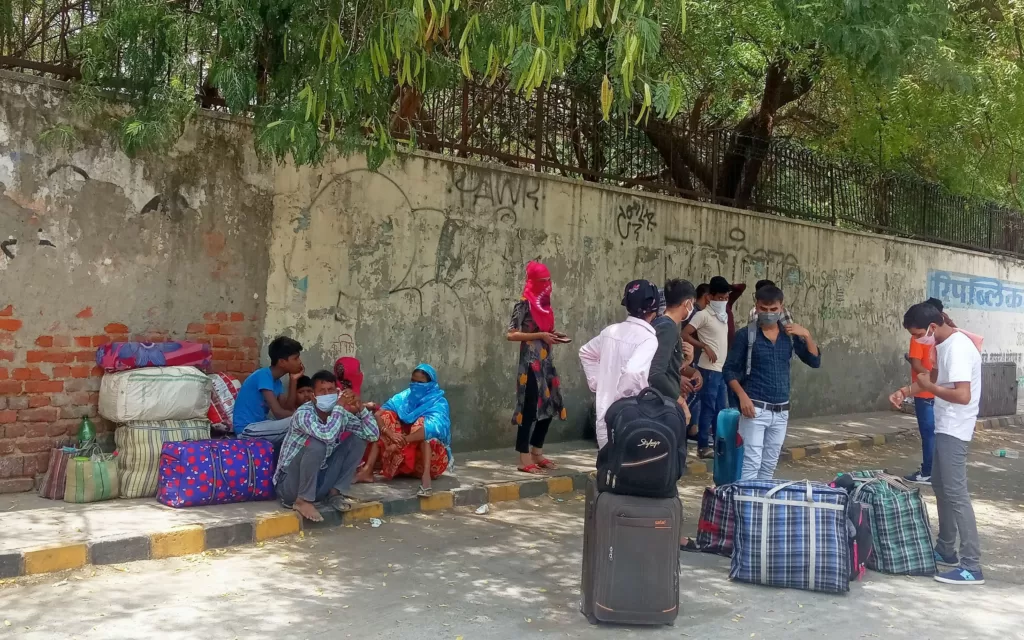
While the phrase shock mobility has been in currency for the last decade or so, shock immobility was recognised during the COVID-19 pandemic when people were suddenly forced to be immobile — quartered in their respective areas, towns, cities, villages, rooms, tenements.
Enjoy this article?
Sign up for our fortnightly newsletter
Are you a journalist?
Sign up for our wire service