
In their efforts to understand the rapidly changing Southern Ocean, scientists are taking the lab onto the waves.
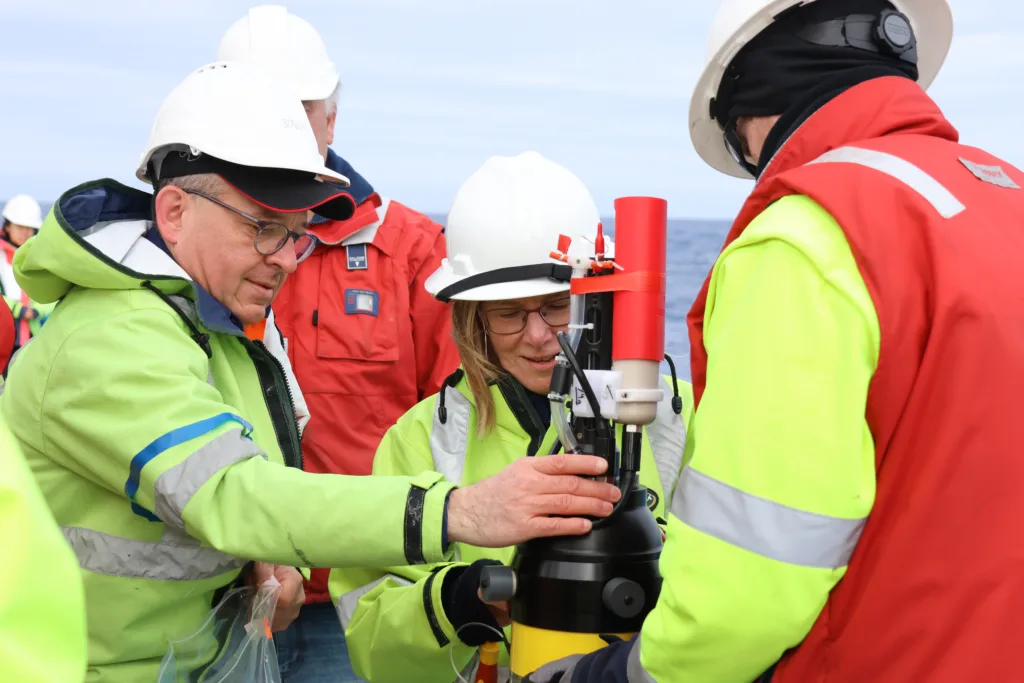 Doing science on the high seas bring unique challenges — but it’s uniquely rewarding too. : Amelia Pearson/CSIRO CC BY 4.0
In their efforts to understand the rapidly changing Southern Ocean, scientists are taking the lab onto the waves.
With Antarctic ice melting and the future of the frozen continent in question, there’s never been a more critical time for scientists to learn its secrets.
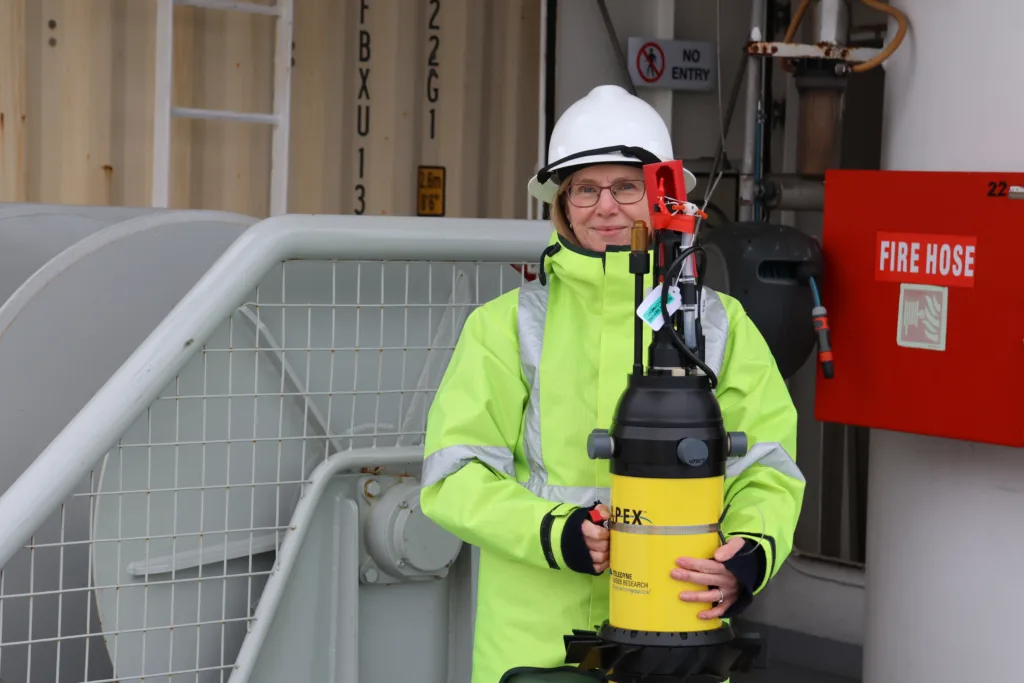
But in order to monitor the surrounding Southern Ocean in sufficient detail, researchers must deploy hundreds of instruments — and that means going out into the field.
Co-chief scientists Helen Phillips and Benoit Legresy explain why scientists headed out to the Southern Ocean, and what it’s like working on a research vessel.
Originally published under Creative Commons by 360info™.
Enjoy this article?
Sign up for our fortnightly newsletter
Are you a journalist?
Sign up for our wire service